
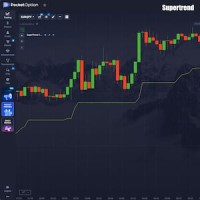
The Supertrend strategy for the Pocket Option platform uses one of the most famous indicators in modern technical analysis.
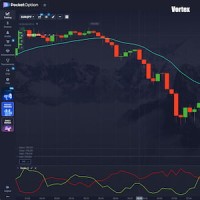
The Vortex strategy for the Pocket Option platform is a successful combination of two indicators that help determine the moment a new trend is born.
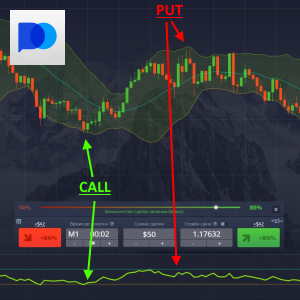
The Bollinger Bands and RSI strategy for the Pocket Option broker's trading platform contains independent indicators that, when combined, can generate more accurate signals.
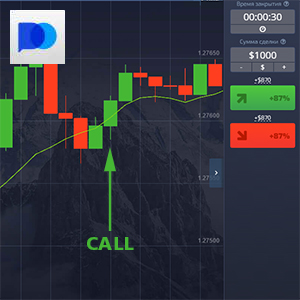
The Three Canadians strategy for the Pocket Option broker's trading platform utilizes a Moving Average and a simple Price Action pattern to enter the market in the direction of price momentum.
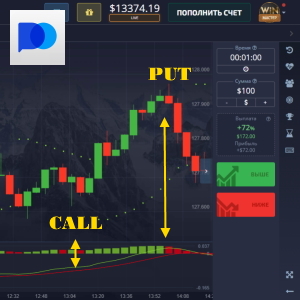
The Wells MACD strategy for the Pocket Option broker's trading platform is based on the MACD and Parabolic SAR indicators. How to apply it profitably for trend trading?
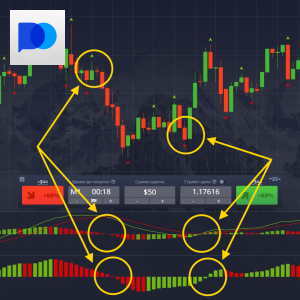
The MACD Profitunity strategy for the Pocket Option broker's trading platform uses the MACD and Awesome Oscillator indicators, allowing you to receive accurate signals on any timeframe.
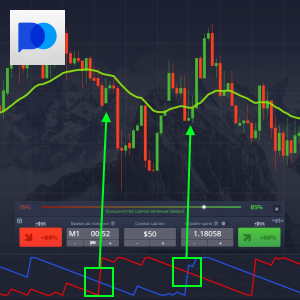
The Aroon EMA strategy for the Pocket Option broker's trading platform uses a new and not yet fully popular indicator that allows for identifying market reversals.
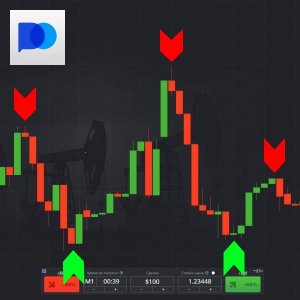
The strategy for the Pocket Option trading platform allows trading binary options without using indicators by learning just one effective pattern.
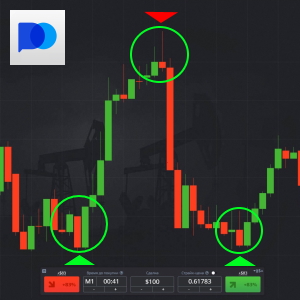
The strategy for the Pocket Option trading platform using the "Candlestick Engulfing" pattern represents an effective candle formation that even a beginner can recognize.
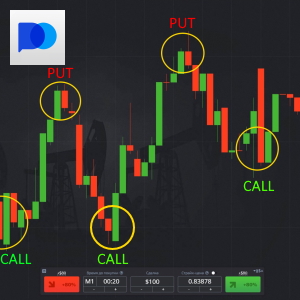
Strategy for the Pocket Option trading platform using several effective candlestick patterns that work on any timeframe.
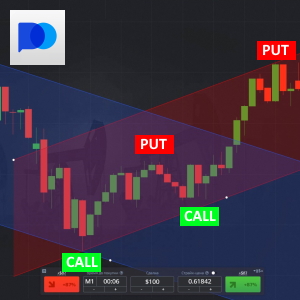
The strategy for the Pocket Option trading platform based on parallel channels and breakouts allows opening trades in the direction of the trend without using indicators.
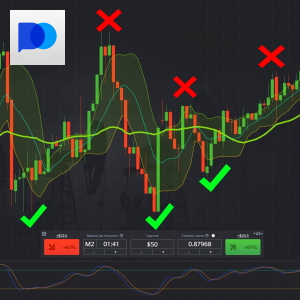
The strategy for the Pocket Option trading platform based on three effective indicators allows opening medium-term trades, which eliminates errors associated with "market noise."
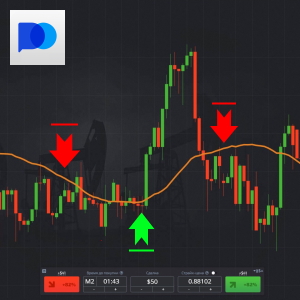
The strategy for the Pocket Option trading platform using Moving Averages allows beginners to start trading binary options using just one indicator and a couple of simple rules.
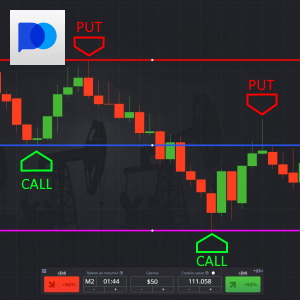
The Pocket Option channel trading platform strategy allows you to enter trades just when the market is about to turn, allowing you to make maximum profits.
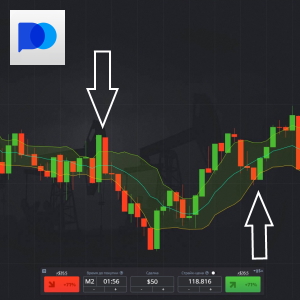
The strategy for the Pocket Option trading platform using the Bollinger Bands indicator and three consecutive same-direction candles.
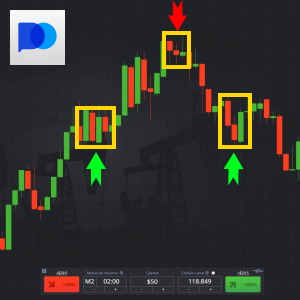
Strategies for the Pocket Option trading platform by Larry Williams represent short-term and long-term methods of generating profit based on trader psychology.
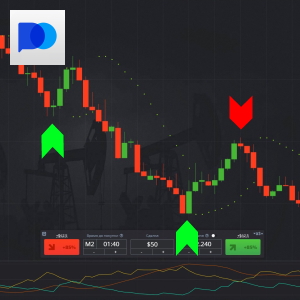
The strategy for the Pocket Option trading platform based on the parabolic system helps open profitable trades using the Parabolic SAR and ADX indicators on any timeframe, including the smallest ones.
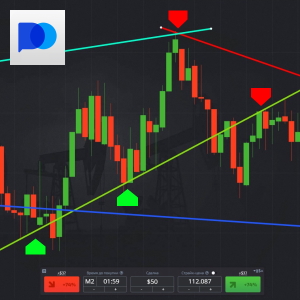
The strategy for the Pocket Option trading platform using technical lines allows seeing the trend direction and executing accurate trades at the moment of a market reversal.
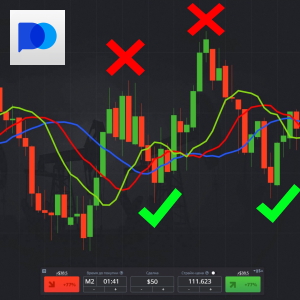
The strategy for the Pocket Option trading platform works with a trend technical indicator, allowing you to execute trades at the moment of a trend reversal.
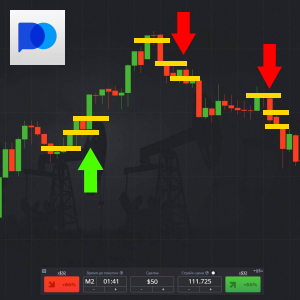
The "Ladder" strategy for the Pocket Option trading platform allows you to execute trades by following just a few simple rules regarding the trend and candle formation.
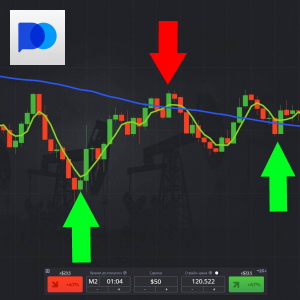
Strategy for the Pocket Option trading platform using the well-known and simplest indicator — the SMA (Simple Moving Average).
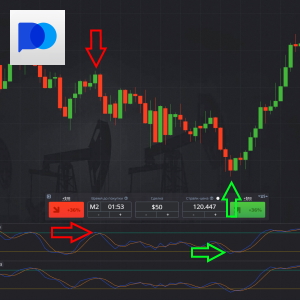
Strategy for the Pocket Option trading platform based on two Stochastics, which features increased efficiency and yields 80-85% winning trades.
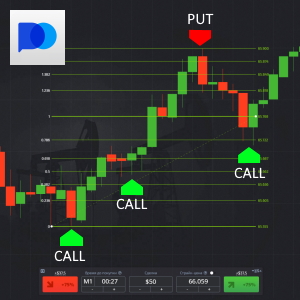
Trading with Fibonacci lines on the Pocket Option trading platform is well-suited for beginner traders, as it requires no indicators and has simple trading rules.
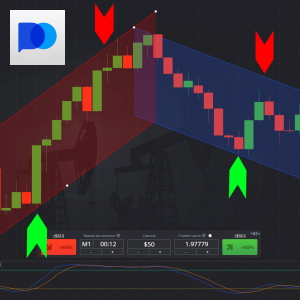
This strategy for the Pocket Option broker's trading platform allows for making many fast and short trades using scalping, with only the Stochastic Oscillator indicator and channels.
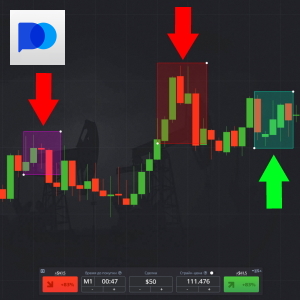
This strategy for the Pocket Option broker's trading platform requires no indicators and provides the opportunity to trade options using only the "Horizontal Line" tool.
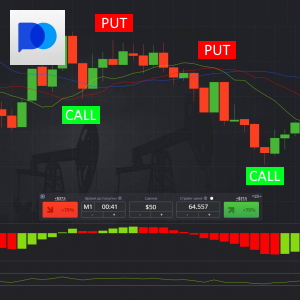
Trading turbo options with the Pocket Option broker can generate income in a very short period of time thanks to just three indicators already built into the broker's trading platform.
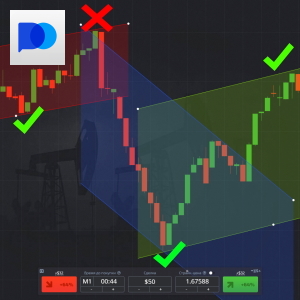
This strategy for the Pocket Option trading platform uses the built-in parallel channels tool, providing one of the simplest strategies for options trading.
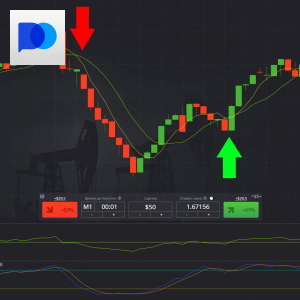
A strategy for the Pocket Option trading platform based on three standard indicators, with simple rules and high efficiency.
In this beginner's guide, we share our practical experience mastering binary options trading on the Pocket Option platform. As your trading coach, we will walk through the trading tools in this popular broker's user-friendly interface and analyze the most popular strategies for beginners. Get ready for an interesting five-minute read on how to extract profits from price prediction.
Contents:
Introduction to Pocket Options
Key Features of Pocket Option
Understanding the Basics of Trading
- Key Terminology in Pocket Options
- Types of Assets Available for Trading
- Market Hours and Their Importance
Getting Started with Pocket Options
Fundamental Analysis for Beginners
Popular Pocket Option Strategies
- Simple Moving Average Strategy
- Support and Resistance Strategy
- Relative Strength Index Strategy
- Moving Average Convergence Divergence Strategy
- Bollinger Bands Strategy
- Candlestick Patterns Strategy
- Trend Following Strategy
- Range Trading Strategy
- News Trading Strategy
- Reversal Trading Strategy
- Setting Stop-Loss and Take-Profit Levels
- Determining Position Size
- The Importance of Diversification
The Role of Emotional Discipline in Trading
Resources for Continuous Learning
Introduction to Pocket Options
Pocket Option is a modern digital trading platform for binary options trading that helps traders make price predictions on specific timeframes. The core of trading on this platform is the ability to predict whether the price of a financial instrument will rise or fall within a set period — anywhere from 30 seconds to several hours. The platform stands out from competitors through its user-friendly interface, low entry barriers, and a wide range of educational resources and tradable assets.
What are Pocket Options?
Pocket Option is a digital trading platform for binary options. It offers low entry barriers, a user-friendly interface, and extensive educational resources. The platform also provides a broad variety of trading instruments — traders can work with forex pairs, commodities, cryptocurrencies, and stocks. All users can practice trading strategies on demo accounts without risking real funds.
How Pocket Options Work
Pocket Option is built around simplicity, ease of use, and fast order execution. The trader begins by selecting an asset and setting an expiration period, then predicts the direction of the price movement within that timeframe. If the trader expects the price to rise, they buy a Call option; if they expect it to fall, they buy a Put option. The platform includes social trading tools that allow newcomers to copy the strategies of experienced traders. In addition, all users can receive bonuses and participate in tournaments using the platform's customizable tools. Pocket Option offers assets with high payout percentages, giving each trader the flexibility to choose instruments that match their risk tolerance.
Key Features of Pocket Option
The main advantages of this platform include:
- A demo account.
- A wide range of technical analysis tools, including indicators such as Moving Averages, RSI, and MACD.
- A social trading system for copying the strategies of experienced traders.
The platform's well-developed knowledge base and tooltips simplify the learning process for new clients, helping traders make more informed decisions.
Understanding the Basics of Trading
Before diving into the details of Pocket Option strategies, it's worth understanding the core trading principles. In the following sections, we'll cover essential terminology, the assets available for trading, and the most suitable market hours for placing trades.
Key Terminology in Pocket Options
Anyone looking to get started in binary trading needs to be familiar with the following key concepts:
- Strike price — the asset price against which the trader determines the profitability of the option at expiration.
- Expiration time — the predetermined moment set by the trader at which the outcome of the trade is determined.
- Payout — the amount the trader receives from a profitable trade.
- Out-of-the-money — at expiration, the underlying asset's price is on the wrong side of the strike price, making the option unprofitable.
- In-the-money — at expiration, the underlying asset's price is on the correct side of the strike price, making the option profitable.
The platform's tooltips and knowledge base can help you explore these terms further. Understanding these concepts is the foundation for making informed trading decisions.
Types of Assets Available for Trading
At Pocket Option, you can trade four asset classes: forex pairs (EUR/USD, GBP/USD, and others), commodities (gold, oil), cryptocurrencies (Bitcoin), and stocks (such as Apple, Tesla, and others). Each underlying asset has its own characteristics. Diversifying investments across asset classes allows traders to pursue more stable returns regardless of market conditions, helping to mitigate risk and improve the reliability of their trading strategies.
Market Hours and Their Importance
Different asset classes have their own active trading hours, determined by the operating schedules of international financial centers around the world. As a result, some instruments are available 24 hours a day, while others are only accessible during exchange hours. Understanding this distinction is essential for making the most of available trading tools. The easiest way to stay on top of the schedule is to use the market calendar built into the broker's platform, ensuring you trade your chosen strategies at the right time.
Getting Started with Pocket Options
Getting started with Pocket Option involves a few key steps. First, you'll need to create an account. Then, you should familiarize yourself with the platform's navigation and set up a comfortable trading environment. This section covers each of these steps in detail.
Creating Your Account
Signing up for Pocket Option is a simple and intuitive process that requires only an email address or a social media profile. In line with regulatory requirements, the broker will ask you to complete a verification procedure for anti-money laundering and know-your-customer compliance. We strongly recommend that all new traders start with a demo account and only move to a live account after achieving consistent results with their chosen strategies.
Navigating the Platform
The trading platform features an intuitive interface with a main dashboard that provides real-time market data, asset lists, trading charts, and technical analysis tools. Even a complete beginner will find the trading terminal straightforward to use. The platform offers extensive customization options so traders can tailor the layout to their preferences. Tutorials and on-screen guides are available to help new users get up to speed quickly.
Setting Up Your Trading Environment
A comfortable, distraction-free trading environment is key to effective market analysis. The broker's application is available on both desktop and mobile devices, giving traders a flexible approach suited to a variety of strategies. We recommend customizing your workspace and keeping an eye on economic calendars to improve the quality of your trading decisions.
Fundamental Analysis for Beginners
Fundamental analysis is one of the primary tools for understanding financial market behavior. In this section, we'll examine key economic indicators and the principles for assessing the impact of news on asset prices. A solid grasp of these fundamentals will help you understand what drives price movements.
Understanding Economic Indicators
Economic indicators such as GDP growth, unemployment rates, and inflation have a significant impact on asset prices and shape market trends. Markets often experience sharp price swings following the release of major economic data. Traders should monitor upcoming releases using the built-in economic calendar on the broker's platform so they're prepared for sudden price movements.
Evaluating News Impact on Markets
Major news events — such as central bank announcements and geopolitical developments — directly influence market volatility. For example, an interest rate decision can trigger sharp moves in currency pairs on the forex market. Traders need to stay informed through reliable news sources and real-time updates to assess how such events may affect their positions. A clear understanding of the current market environment is essential for making sound trading decisions.

Technical Analysis Essentials
Technical analysis is a practical method of forecasting future price movements. It is based on chart reading and the study of historical data using indicators. Unlike fundamental analysis, technical analysis treats price patterns as trading signals for building profitable strategies. In this section, we'll cover the core principles of technical analysis — a tool that has long been a staple in every trader's toolkit.
Introduction to Chart Reading
Charts are a trader's primary tool, providing a visual representation of price movements over time. The broker's trading platform offers several chart types: line charts, bar charts, and candlestick charts, each with its own characteristics and use cases. We recommend starting your technical analysis journey with candlestick charts, which make it easy to identify price trends across different timeframes. Choosing the right charting interface will help you spot key price levels more easily and get a clearer read on market sentiment.
Utilizing Technical Indicators
Popular technical indicators — Moving Averages, the Relative Strength Index (RSI), Bollinger Bands, and MACD — help traders identify trends and overbought or oversold conditions. They can also signal potential trend reversals and support data-driven decision-making. Pocket Option's trading platform includes an extensive indicators library, with broad customization options for tuning each indicator to a specific asset and timeframe.
Recognizing Price Patterns
Popular price patterns — such as head-and-shoulders, double tops and bottoms, and triangles — frequently appear on charts ahead of significant market moves. These formations give traders an early warning and a potential competitive edge. The platform's charting tools make it straightforward to identify and analyze these patterns.
Popular Pocket Option Strategies
Below, we'll look at some of the most widely used trading strategies on Pocket Option, including trend following, range trading, news trading, and reversal trading. Treat the systems in this section as a foundation and adapt them to your own preferences and analysis methods. Once you're comfortable with the basics, you can layer in technical indicators — such as SMA, RSI, MACD, and Bollinger Bands — to filter trading signals. We also recommend combining support and resistance levels with candlestick patterns to increase the proportion of profitable trades.
Simple Moving Average Strategy
The Simple Moving Average strategy is a straightforward yet effective methodology for beginner traders. It consists of three main components:
- Set up a candlestick chart with two SMAs: a fast SMA (typically 5 or 20 periods) and a slow one (50 or 200 periods).
- Entry points are determined by the crossover of the two moving averages.
- Trade direction: when the short-term SMA crosses above the long-term SMA, the trend is up — buy a Call option. When the short-term SMA crosses below the long-term SMA, the trend is down — buy a Put option.
This simple strategy allows you to identify the prevailing trend and open trades in its direction with confidence.
Support and Resistance Strategy
The support and resistance strategy is based on price levels at which historical reversals have repeatedly occurred. Trading with this approach involves three stages:
- Identify key historical levels on the chart.
- When the price breaks above a resistance level, buy a Call; when it bounces off a support level, buy a Put.
- Use confirmation indicators such as RSI and MACD to validate entry points and improve the win rate.
If you trade in the forex market, these levels can also serve as exit points.
Relative Strength Index Strategy
This approach uses the RSI momentum oscillator to measure the speed and magnitude of price fluctuations and identify potential reversal points. The system works as follows:
- Apply the RSI indicator with a period of 14 to the candlestick chart.
- Overbought conditions occur when the RSI rises above 70; oversold conditions occur when it falls below 30.
- When the RSI drops back below 70 from overbought territory, buy a Put. When it rises back above 30 from oversold territory, buy a Call.
This strategy works best in sideways markets without a clear directional trend.
Moving Average Convergence Divergence Strategy
MACD is a trend-following momentum indicator that shows the relationship between two moving averages and the underlying asset's price. To use this approach:
- Configure the indicator by setting the parameters for the MACD line, signal line, and histogram.
- When the MACD line crosses above the signal line, buy a Call; when it crosses below, buy a Put.
- Divergence between the MACD and price is another trading signal, warning of a potential market reversal.
This strategy helps traders identify shifts in trend strength and direction. It is suitable for both trending and ranging markets. Pay close attention to indicator crossover points.
Bollinger Bands Strategy
This system uses the Bollinger Bands volatility indicator, which consists of a center line (a simple moving average) and two outer bands placed a set number of standard deviations away. It is straightforward to apply:
- Add the Bollinger Bands indicator to your asset chart — typically a 20-period SMA with bands at two standard deviations.
- When the price touches the upper band, overbought conditions are present; when it touches the lower band, oversold conditions arise.
- If the price reverses downward after touching the upper band, buy a Put. If it reverses upward after touching the lower band, buy a Call.
This system helps identify probable reversal points and assess the current level of market volatility.
Candlestick Patterns Strategy
Trading candlestick patterns helps traders spot potential market reversals and trend continuations, enabling more precise trade entries. To apply this approach:
- Identify key formations on your asset's chart, such as Doji, Hammer, or Engulfing patterns.
- Confirm the patterns with signals from technical indicators such as RSI or MACD to improve trade reliability.
- Open a trade on the confirmed pattern. For example, buy a Call option when a Hammer appears near a support level with RSI confirmation. The same logic applies to Put options when a bearish pattern is confirmed by technical indicators.
These formations work because they reflect the psychology of market participants. You can use this approach as a signal filter for your broader trading strategies.
Trend Following Strategy
This methodology involves identifying the prevailing trend and trading in its direction. An uptrend is characterized by a sequence of higher highs and higher lows — in this case, buying Call options is advisable. A downtrend consists of lower highs and lower lows — when you identify this pattern, buy Put options. The most common tools for determining the trend are moving averages, trendlines, and indicators such as MACD. Successfully applying this strategy requires patience and discipline. Only enter the market when clear signals are present, and avoid trading in mature trends to reduce the risk of false breakouts.
Range Trading Strategy
Range trading is used in markets without a clearly defined trend. The trader identifies horizontal support and resistance levels that act as the boundaries of the trading range. When the price reaches the support level (the lower boundary), the trader buys a Call. When the price reaches resistance (the upper boundary), the trader buys a Put, anticipating a reversal and a move back down.
The RSI can be used to confirm these signals. When RSI reads above 70 and the price is near resistance, buying a Put is recommended. When RSI reads below 30 and the price is near support, a Call is the preferred choice. The main advantage of this approach is the simplicity and reliability of its signals in sideways markets. However, monitoring price action is essential to avoid being caught on the wrong side of a breakout — once a trend begins, range trading no longer applies.
News Trading Strategy
This strategy is based on analyzing economic and geopolitical news to anticipate market movements. Traders using this approach capitalize on the market reactions that occur immediately after major news releases. For example, when a central bank raises interest rates, the national currency typically strengthens because assets denominated in that currency become more attractive to investors — increased demand drives a sharp rise in its value.
To trade this strategy effectively, you need to monitor economic calendars and reputable financial news sources consistently. This will keep you informed about upcoming events that could significantly increase market volatility. The strategy is particularly well-suited to forex and commodity traders, where short-term price swings in response to news can be substantial.
Reversal Trading Strategy
This approach is used to anticipate trend reversals. Traders enter positions after an overextended price move in one direction, looking to capitalize on the pullback. The strategy relies on technical indicators such as the RSI to detect extreme market conditions — readings above 70 indicate overbought conditions, while readings below 30 indicate oversold conditions, both of which warn of a potential reversal.
Candlestick patterns such as engulfing candles and doji formations can be used to confirm potential reversal points. Keep in mind, however, that this style of trading carries a higher risk of false signals. For this reason, beginners are advised to practice on a demo account before applying this strategy with real funds.

Risk Management Strategies
No discussion of Pocket Option trading strategies for beginners is complete without covering the most critical concept in trading. Risk management is the foundation of capital preservation — not just another set of rules, but the single most important trading principle that determines long-term success. Based on risk management rules, traders set their loss limits, profit targets, and position sizes. Applying these principles consistently will improve your trading performance and contribute to effective risk diversification.
Setting Stop-Loss and Take-Profit Levels
Although binary options do not use traditional stop-loss orders, risk management remains essential for achieving consistent results. We recommend that beginners set a daily loss limit and define profit targets in advance. Always consider the risk-to-reward ratio of each trade — doing so helps you evaluate potential outcomes before entering a position.
Determining Position Size
Position sizing is another risk management element that should never be overlooked. Experienced traders typically risk no more than 1–2% of their account balance per trade. This approach preserves capital during inevitable losing streaks. You can use calculator tools to determine the appropriate trade size based on your risk tolerance.
The Importance of Diversification
Spreading capital across multiple assets reduces overall risk. By allocating funds to several instruments, you can minimize the impact of any single market event. If one market is experiencing high volatility, gains in other positions can help offset those losses. The broker's platform offers a wide range of assets to support effective portfolio management.
The Role of Emotional Discipline in Trading
Trader psychology is an integral part of successful trading. Emotions such as fear and greed distort rational thinking and lead to impulsive decisions — most of which result in capital losses. Maintaining discipline and learning to manage your emotions is essential. Understanding your own psychology is what separates amateur traders from professionals. Emotional discipline is what allows you to consistently follow your strategy's signals and apply sound risk management.
Understanding Trader Psychology
Emotions are a trader's worst enemy. Fear can cause you to close positions prematurely, preventing you from capturing the full profit. Greed, on the other hand, pushes you toward reckless decisions — increasing position sizes without proper justification, which inevitably leads to significant losses. Once caught in the trap of revenge trading, a trader tries to recover losses at any cost, only making the situation worse.
This kind of behavior destroys even the most effective trading plan. Avoid excessive risk-taking and overtrading. Professional traders regularly practice self-awareness and maintain strict emotional discipline. Staying calm during periods of market volatility allows them to make objective decisions. It is essential to maintain mental resilience regardless of whether recent trades have been wins or losses.
Techniques for Maintaining Discipline
A few practical rules can help you maintain trading discipline. Start by defining your trading goals and developing a clear trading plan with specific rules for entering and exiting trades. Then establish your risk management rules. Take regular breaks from trading — these pauses help prevent overtrading and impulsive decisions. Work on controlling your emotions, and never chase losses. Revenge trading will only make your results worse. Consider keeping a trading journal and incorporating mindfulness practices such as meditation — both will help increase your self-awareness and decision-making clarity.
Developing a Trading Plan
A trading plan is a structured set of rules for opening and managing trades. Beyond technical components, it includes strategy backtesting and rules for risk and capital management. Without a trading plan, a trader's actions amount to little more than guesswork. A well-developed plan is a prerequisite for building a consistently profitable approach — without one, lasting success in trading is unlikely.
Components of an Effective Trading Plan
A solid trading plan contains a clearly defined algorithm of specific actions, so the trader always knows what to do and in what order. It should include clear, measurable, and achievable trading goals that allow you to track progress over time. You'll also need risk management and capital rules, position sizes, and loss limits. Next, define your trading strategy with precise criteria for entering and exiting trades — trend following, range trading, and news trading are all good starting points. Set specific trading hours to avoid impulsive overtrading. Finally, develop a plan for managing emotions such as fear and greed, which are often the root cause of avoidable losses. A well-constructed plan brings clarity and consistency to your trading.
Backtesting Your Strategy
Backtesting involves testing a strategy against historical market data to evaluate its potential profitability and viability. This process helps beginners identify weaknesses in their approach and refine their strategies before putting real capital at risk. Demo accounts are ideal for backtesting with virtual funds. This step builds confidence in your chosen strategy and allows you to adjust parameters to match your risk tolerance — making it an essential part of the journey toward informed, disciplined trading.
Common Mistakes to Avoid
Beginners frequently make the same two mistakes: overtrading and neglecting market research. Inexperienced traders typically fall into these traps because they operate without a trading plan — skipping market analysis, ignoring technical indicators, and allowing emotions to drive their decisions. Being aware of these pitfalls is the first step toward avoiding them and improving your chances of long-term success.
Overtrading and Its Consequences
Overtrading is one of the most common problems beginner traders face. It usually manifests as chaotic, high-frequency trading driven by the fear of missing opportunities or the urge to recover losses quickly. These emotional impulses lead to poor decisions, mounting losses, and a drained account balance. Always act according to your trading plan and avoid impulsive trades. Remember: it's the quality of your trades that matters, not the quantity. Discipline and consistency will deliver better results over the long run.
Ignoring Market Research
Skipping market research is a serious mistake. Relying solely on intuition or random guesses about market conditions is not trading — it's gambling. Sound decisions require an understanding of economic events and technical indicators. The broker's platform provides you with the tools and resources needed to make educated, well-informed trading decisions.
Resources for Continuous Learning
Markets are constantly evolving, and continuous learning is essential for staying ahead. This section introduces books, online courses, and trading communities that can help both beginners and experienced traders deepen their market knowledge. We encourage you to study new strategies and techniques on a regular basis — it is an integral part of your development as a trader.
Recommended Books and Online Courses
Continuous learning is non-negotiable in trading. To build a solid understanding of financial market mechanics, we recommend books such as "Trading for a Living," "The New Trading for a Living," and "The Complete Guide to Technical Analysis for the Forex Market." Platforms such as Udemy, Coursera, and Investopedia offer a broad range of online courses suited to traders at every experience level. These resources will help you expand your knowledge and sharpen your practical trading skills.
Joining Trading Communities and Forums
Trading communities, forums, and social media groups are valuable resources for exchanging ideas and gaining practical insights. You can discuss strategies, learn from others' experiences, and find support from fellow traders. Pocket Option's social trading feature also allows beginners to copy trades from experienced traders directly. Participating in webinars and networking with professional traders will broaden your knowledge and open up new learning opportunities.
Conclusion
Pocket Option offers a beginner-friendly platform for binary options trading that is accessible to everyone. Simply register and fund your account to get started. If you're new to trading, we recommend beginning with a demo account — use it to study a profitable strategy and develop the emotional discipline needed to follow its signals consistently. Take the time to understand technical analysis and learn the fundamentals of risk management. If you prefer fundamental analysis, make use of the economic calendar when making trading decisions. Learn from your mistakes: continuous learning will help you refine your strategies and reduce financial risk over time. Remember to diversify your portfolio and approach every trade with a clear strategic plan.
FAQ
How to Successfully Trade on Pocket Option?
Successful trading on Pocket Option requires a solid understanding of technical analysis and fundamental trading strategies, combined with sound risk and money management rules and the discipline to follow your system's signals consistently.
What Is the Most Successful Options Trading Strategy?
There is no single "most successful" options trading strategy that works in all market conditions. Your results will depend not only on the trading system you use, but also on current market conditions, your level of experience, and how well you manage risk.
What Is the Best Time to Trade on Pocket Option?
The best time to trade depends on the assets you are working with. Generally, the most favorable periods are times of high volatility that coincide with the major forex trading sessions, the opening of key international exchanges, or significant financial center activity.
What Is the 3-Minute Pocket Option Strategy?
As the name suggests, the three-minute strategy involves opening short-term trades with a three-minute expiration. Traders using this system aim to profit from short-term market fluctuations by placing frequent trades based on technical analysis signals.