
Making money online is becoming more common – and with it, interest in binary options trading is growing. But as the number of brokers increases, choosing a truly reliable platform becomes increasingly difficult. This is understandable: binary options are attractive because of their low entry barrier and the ability to get started in the market quickly.
For trading to be both straightforward and safe, it is important to choose a broker wisely. In this review, we look at ten key criteria worth considering when selecting a company — and how to avoid unscrupulous brokers and protect your capital.

Contents:
- Why Brokerage Licenses Are Important
- Broker Welcome Bonuses: Are They Worth Taking?
- What Is the Minimum Deposit to Start Trading?
- Training from a Broker
- Options for Depositing and Withdrawing Funds
- Why You Should Pay Attention to the Broker's Capitalization
- Comparing Brokers by Service Quality
- Availability and Quality of Analytical Materials
- What Is Behind the Broker's Trading Conditions?
- Tips for Beginners When Choosing a Binary Options Broker
- Conclusion
Why Brokerage Licenses Are Important
Every week, new names appear in the binary options industry – and not all of them are trustworthy. Some brokers enter the market without licenses or falsely claim regulatory credentials they do not hold. There are also cases of forged licenses – a clear red flag that is best avoided entirely. 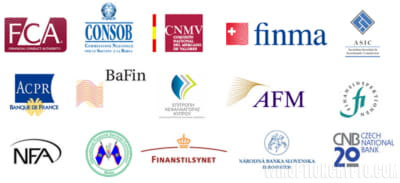
Legitimate brokers focused on long-term operations typically hold at least one official license — and many hold several. This not only increases credibility but also signals a serious approach to running the business.
It is important to understand that the absence of a license does not automatically mean you are dealing with a fraudster. The company may have recently entered the market and still be going through the licensing process. However, choosing a broker with valid licenses is always the safer option.
Not all regulators carry the same weight. The authority of a regulator depends on the country in which it operates and its legal powers, as well as the level of trust it commands within the trading community. A reliable regulator is a kind of guarantee that client interests will be protected.
In different countries, brokerage activities are regulated at the state level, and each jurisdiction takes its own approach to licensing:
- USA: This jurisdiction applies particularly strict controls. Several agencies oversee brokerage activities: the SEC (Securities and Exchange Commission), FINRA (an independent organization that regulates brokers), and the NFA (National Futures Association).
- European Union: Regulation is carried out within a unified legal framework and EU standards, ensuring a high level of protection for traders.
- United Kingdom: The financial market is supervised by the FCA – Financial Conduct Authority, which holds both supervisory and quasi-judicial powers.
- Australia: The Australian Securities and Investments Commission (ASIC) is one of the most respected regulators globally, known for strict enforcement and strong client protections.
In addition to major regulators, there are also less stringent but legally recognized jurisdictions. Although such bodies are most often self-regulatory or commercial organizations, holding their license can still indicate that a broker adheres to certain standards:
- FinaCom – the Financial Commission, an independent international dispute resolution body that handles complaints between traders and brokers.
- BVI – the British Virgin Islands, a popular offshore jurisdiction with its own regulatory framework.
- VFSC – the Vanuatu Financial Services Commission, which issues licenses under a simplified procedure but still regulates company activity.
- MFSA – the financial regulator of Malta, operating in line with European standards.
When choosing a binary options broker, always check what kind of license the company holds and in which jurisdiction it is registered. This directly affects the safety of your funds and the transparency of trading conditions.
Broker Welcome Bonuses: Are They Worth Taking?
A welcome bonus is an attractive but often misunderstood tool. Many traders pay attention to it when choosing a broker, which is perfectly natural. However, it is important to understand that such offers almost always come with conditions attached. Before accepting, it is worth clarifying all the details with the broker upfront.
Sometimes it is wiser to decline a bonus altogether rather than meet difficult or unfavorable terms to clear it later. After all, anything given for free typically implies hidden obligations. As Robert Greene wrote in his book The 48 Laws of Power: “Despise the free lunch.” The underlying message rings true in trading as well.
Some brokers, such as Pocket Option, offer a Welcome Bonus – without requiring an immediate deposit. This type of bonus is available only once, but if you are just getting started on the platform, it can be genuinely useful — especially given that the financial risk involved is minimal.
If you already have an account, you can take advantage of promo codes and bonus promotions. These provide additional funds when you top up your account or offer other perks that make trading a little more comfortable.
The key is to always read the terms and conditions carefully and remember: a bonus is a tool, not a gift. How you use it is entirely up to you.
What Is the Minimum Deposit to Start Trading?
For traders just starting out in binary options, the minimum deposit is an important consideration. Being able to start with a small amount helps you try real trading without putting significant capital at risk during the learning phase. 
Previously, only large platforms offered low entry thresholds, but now almost every broker allows you to get started with as little as $5–10. This makes the market far more accessible and, without a doubt, contributes to its growth. Examples of brokers with a low minimum deposit include: Pocket Option (from $5), Binarium and Quotex — both with a minimum deposit of just $10.
Brokers with higher entry thresholds do exist, but caution is warranted: a large minimum deposit is not always a sign of a serious, well-established company. In some cases, it is simply a way to collect funds quickly and disappear. The broker Daily Trades, for example, once made considerable noise in the market by requiring a $250 starting deposit — yet as experience showed, withdrawing funds from that platform was either extremely difficult or outright impossible.
This is why beginners should start with brokers that offer a low entry threshold and transparent trading conditions. It is not only safer — it makes your first steps in trading significantly easier.
Training from a Broker
The internet is full of trading education materials — both free and paid. But when a binary options broker offers its own training for beginners, that is always a plus, especially if you are just getting started.
This format is convenient: there is no need to piece together information from multiple sources — everything is in one place and tailored to a specific trading platform. It helps you get up to speed quickly and understand how the terminal works, where to find the tools you need, and how to execute trades.
Most broker training covers the basics — the platform interface and the fundamentals of technical analysis. But there are also more in-depth courses: covering trading strategies, practice on a demo account, and practical tips.
For experienced traders, this kind of training may seem unnecessary. But for beginners, it can save time and help avoid costly mistakes. If you are just choosing a broker, built-in training is a strong point in its favor.
Options for Depositing and Withdrawing Funds
If a broker offers only a handful of deposit and withdrawal methods, this may be a sign of a weak financial infrastructure. Reliable platforms offer a wide range of options: bank cards, wire transfers, e-wallets, cryptocurrency, and even mobile payments. This approach reflects both a commitment to user convenience and the financial stability of the company itself.
Before registering, make sure the available payment methods work for you. Otherwise, you may face additional costs — from fees, currency conversion, or switching between payment systems.
It is also important to find out in advance whether the broker charges a fee for withdrawals. If you plan to withdraw profits regularly, these terms play a key role. Be sure to check the limits as well: some brokers impose restrictions on the amount and frequency of withdrawals — daily, weekly, or monthly. This directly affects your financial flexibility.
Why You Should Pay Attention to the Broker's Capitalization
In practice, the question of whether to choose a large, established broker or an unknown company with no track record rarely requires much deliberation. The answer is straightforward — the reliability and reputation of proven companies give them a significant advantage.
Large brokers handle substantial financial turnover every day, so withdrawals even up to $1,000 present no difficulties. With newer companies, amounts from $250 can already cause delays that sometimes drag on for weeks. And with fraudulent platforms, recovering deposited funds is nearly impossible.
To choose a truly reliable binary options broker, focus on its recognition in the industry, founding date, licensing status, and the number of active clients. These factors allow you to assess the company's stability and the level of trust it has earned among traders.
Comparing Brokers by Service Quality
Customer service is another important indicator of a broker's reliability. Reviews frequently mention that some companies' technical support is too slow or ignores traders' requests altogether. 
With a good broker, a manager will typically reach out after registration to offer assistance and provide all the necessary information. For this reason, always enter a valid phone number when signing up.
Before making a final decision, test the support service yourself. Write in the chat or call the numbers listed on the website to assess the speed and quality of the response.
What to ask the manager:
- Does the company hold a license?
- What methods are available for depositing and withdrawing funds?
- What trading instruments are available on the platform?
- What form does the trading terminal take — web version, mobile app, or desktop?
- Are there any bonus promotions, and what are the conditions?
This check will help you gauge how client-focused the company is and whether it can be trusted.
If support genuinely works well and the company values its clients, you will get clear answers even to the most basic or repetitive questions. This is a telling indicator of how the broker treats both new and existing customers.
If the manager responds slowly, seems uncertain, or cannot explain basic concepts, that is a reason to be cautious — and possibly to consider another platform.
The language barrier is also worth considering. Trading involves terminology that can be difficult to grasp without preparation. Even with a working knowledge of a foreign language, understanding the details can be challenging. In such cases, it is better to choose a broker that offers a platform and support in your preferred language.
For confident trading, it also helps to familiarize yourself with key terms from the trader's dictionary. This will help you get comfortable with the trading platform more quickly.
Availability and Quality of Analytical Materials
When choosing a binary options broker, it is worth paying attention not only to the platform and trading conditions, but also to what analytical materials are available to users. In trading, decisions often need to be made quickly — which means having access to accurate, up-to-date information.
A reliable broker offers its clients more than just charts and indicators — it provides market reviews, trading signals (which should always be evaluated critically), an economic calendar, and educational resources. Webinars are particularly valuable, as they give traders the opportunity to hear market analysis from experienced professionals.
Quality analytics helps you better understand market conditions, identify potential entry points, and develop your own trading approach. For beginners, this is a great way to learn while actually trading.
If a broker has no analytical section, or publishes noticeably weak content, that is reason to pause. Take the time to evaluate the materials in advance: look at examples, see who produces them, and assess how clear and useful they are. This can make a real difference to your trading.
What Is Behind the Broker's Trading Conditions?
Trading conditions are one of the most important criteria when choosing a binary options broker. If you are offered only a handful of assets, a limited selection of expiration times (for example, only one hour), and low payouts, consistent profitability under such conditions is nearly impossible. These kinds of restrictions are typically found with brokers that are not interested in long-term relationships with their clients. Notable examples are KingTrade and BinTradeClub.
Before opening an account, study the platform's functionality in detail. Pay attention to the following points:
- How many assets are available for trading?
- What payout percentage does the broker offer?
- How flexible is the choice of expiration time?
- Is a demo account available for practice?
- Can you view your trading history directly on the chart?
- Is there a mobile app?
Pay particular attention to the list of available assets. If you plan to trade, say, oil or a specific currency pair, and the broker does not offer those instruments, that is an immediate drawback. A serious brokerage typically provides at least 30–50 assets, including currency pairs, shares of major companies, commodities (gold, oil), and cryptocurrencies such as Bitcoin and Ethereum.
The wider the selection, the more comfortable and flexible your trading experience will be.
Payout percentages for binary options can vary considerably between brokers. Differences depend not only on the asset but also on the time of day. This is partly because some brokers hedge client positions by placing corresponding trades at higher volumes. The payout percentage effectively functions as a built-in margin: if the trade is profitable, the broker pays out from its own earnings; if it is not, the lost funds offset the broker's potential exposure. 
Expiration time is one of the most critical technical parameters. While the direction of price movement can often be predicted, selecting the right expiration is far less straightforward. Give preference to brokers that offer a wide range of expiration options. Typically this spans from 5 seconds to 4 hours, though some platforms allow trades with a daily or even longer expiration.
A demo account is not a make-or-break criterion, but its availability is a significant plus. It allows you to test the platform and trading strategies, and to understand the mechanics of trading without any financial risk. A demo account is especially useful for beginners getting acquainted with the market for the first time.
The ability to view trade history is important for analyzing your performance. It helps you identify mistakes and refine your approach — particularly if your current strategy is not producing results. For consistent trading, follow sound money management and risk management principles.
Traders who rely heavily on mobile devices will find a broker's mobile app particularly useful. It allows you to monitor and manage trades from anywhere with an internet connection. Modern apps support not only trade execution, but also account deposits and withdrawals, use of indicators, and access to signals and analytics. The Pocket Option mobile app, for example, includes all of these features and additionally delivers real-time strategies and market analytics.
Tips for Beginners When Choosing a Binary Options Broker
The following tips are useful not only for beginners but also for more experienced traders. They will help you take a closer look at any broker and make a more informed decision.
Once a broker meets all of the criteria described above, it is worth examining some less obvious points — for example:
- The accuracy of quotes.
- The conduct of account managers.
- Whether the broker offers managed account services.
Even if a broker has no issues with withdrawals, other forms of misconduct are still possible. One example is quote manipulation. On the surface, everything appears fair, but in practice the price shown may differ slightly from actual market prices. Such manipulations are especially common among unscrupulous brokers and can lead to losses even when a trader's market prediction is correct. 
Checking a broker's quotes is actually straightforward. This should be done on a real account rather than a demo account, so you will need to fund it with at least the minimum amount. After doing so, compare the quotes displayed on the broker's platform with data from independent, authoritative sources such as TradingView, MetaTrader 4, or a live chart for binary options, where major trading assets are always available.
A small discrepancy of a few points is considered normal. However, if the difference consistently exceeds 10 points, there is a strong likelihood that the broker is manipulating quotes. It is best to avoid such a broker entirely.
Account managers also deserve careful attention. Some genuinely help clients understand the platform, while others push services aggressively or pressure traders into following signals. If a manager calls you daily and the conversation always comes back to topping up your account or following questionable analytics, treat that as a warning sign. In such cases, losing your deposit is often just a matter of time — whether due to the trader acting on bad advice or the “analyst” making losing trades on their behalf.
To gauge how persistent managers are likely to be, there is no need to deposit large sums. The minimum deposit is enough. Often, a personal manager begins calling after the very first top-up and immediately starts encouraging larger investments, followed by add-on services.
If a broker offers managed accounts and its managers actively push you to invest by promising high returns, do not trust them. Reliable brokers, even when they do offer such services, will not impose them on clients. Aggressive promotion of managed accounts is most often a sign that you are dealing with operators whose goal is to take control of your funds and drain them as quickly as possible.
Conclusion
Choosing a binary options broker can seem like a daunting task, especially when you are just starting out. Every broker has its own characteristics, and there are many factors to consider. But after a short period of testing — even just on demo accounts — you will start to develop a clearer sense of what genuinely matters to you.
A few final points to keep in mind:
- Don't start with large amounts. Begin with a minimum deposit, or spread your capital across several platforms — this reduces risk and helps you build valuable experience.
- Be cautious of high minimum deposits. If a broker requires $50 or more to get started, that is worth questioning. Reliable companies typically allow you to begin with much smaller amounts.
- Read what other traders have to say. Reviews on forums and specialist sites often reveal a great deal about real trading conditions. Learning from others' experiences is far less costly than learning from your own mistakes.
Thorough preparation and attention to detail will help you make an informed choice and avoid many of the common pitfalls.

To leave a comment, you must register or log in to your account.